Our Process
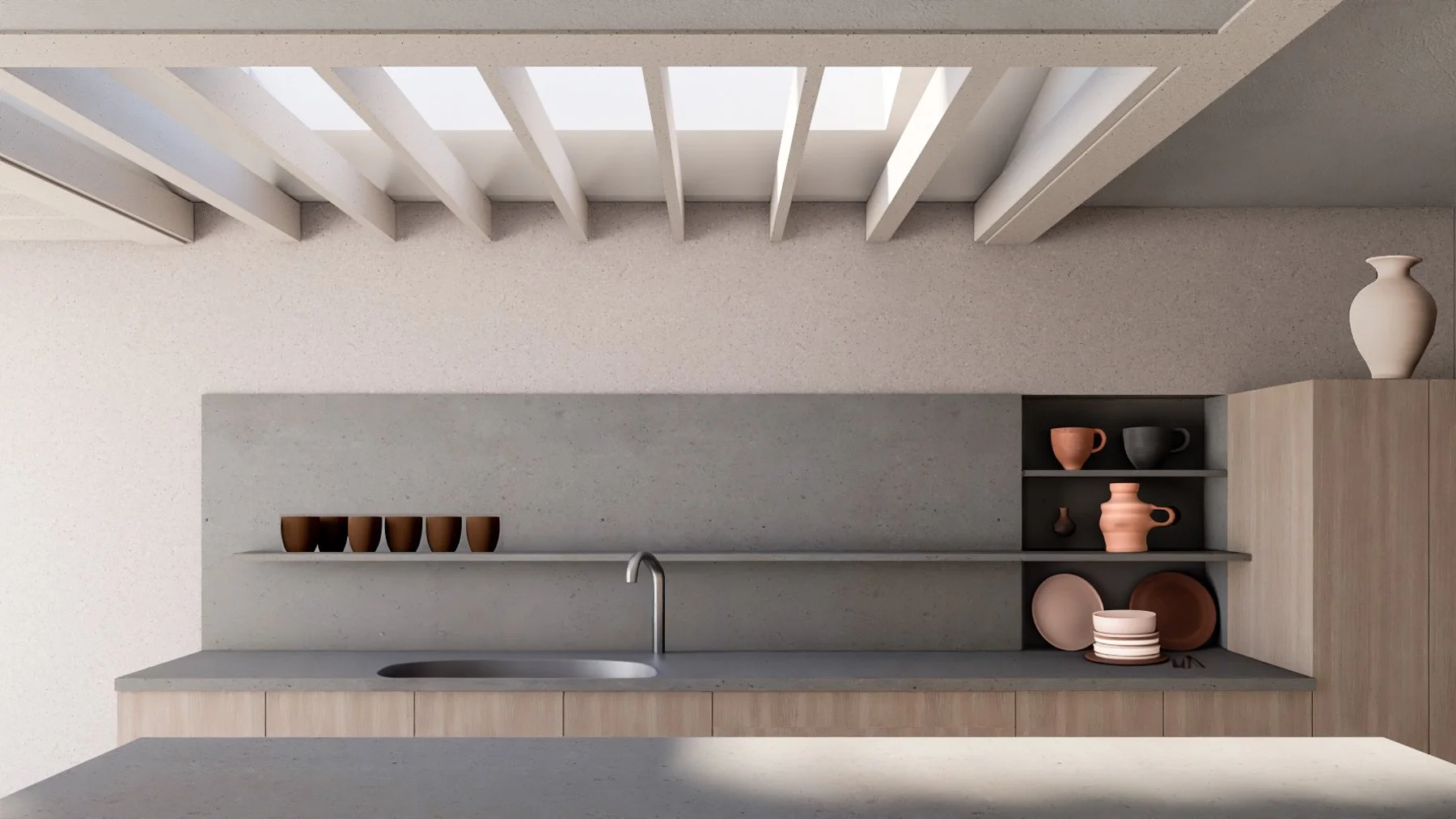
Our process begins with understanding the user's wants and needs at the start of the project. We approach each project individually, without a predetermined style, and have extensive experience in refurbishment, new build and restoration projects.
Investigation
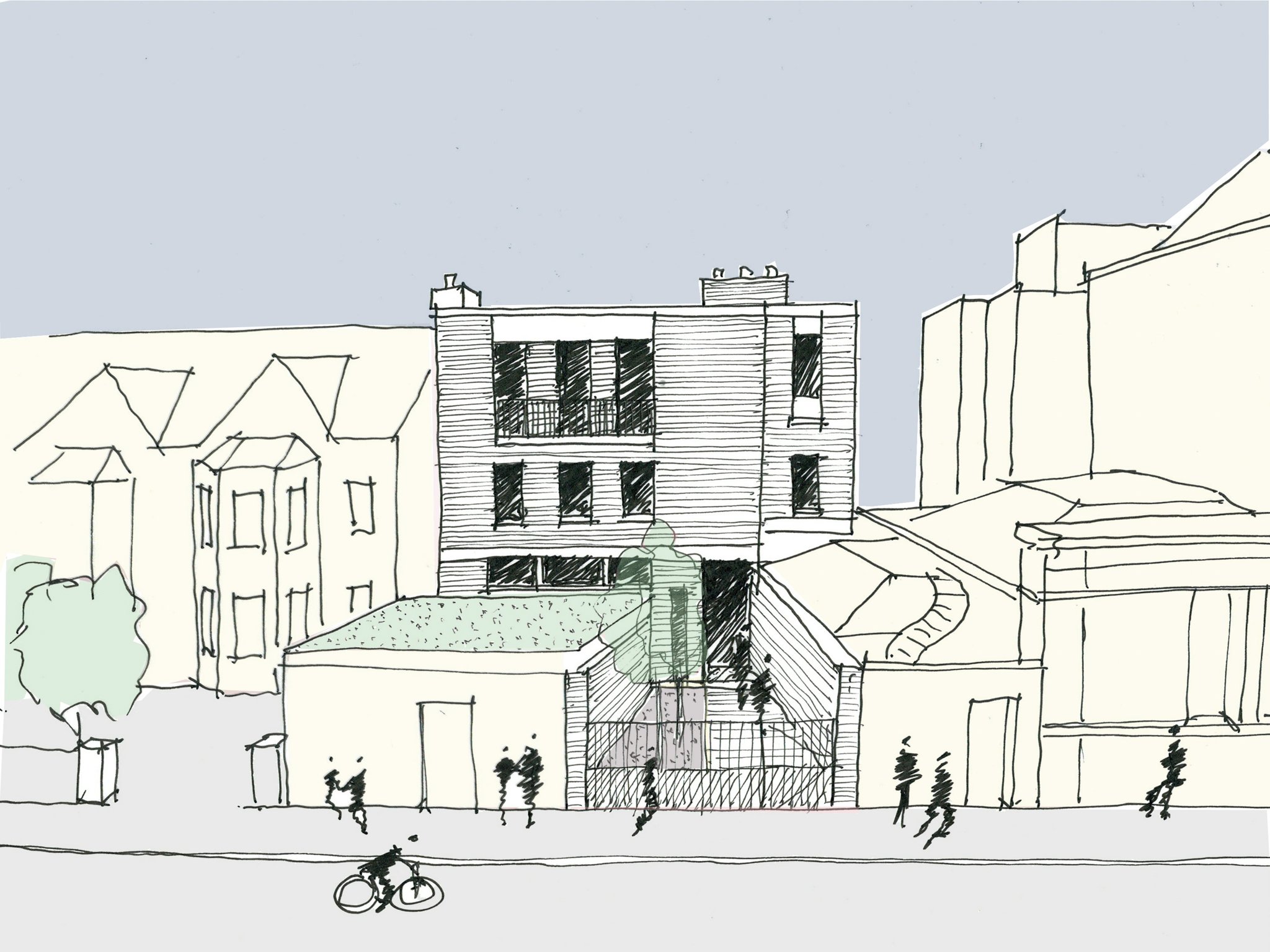
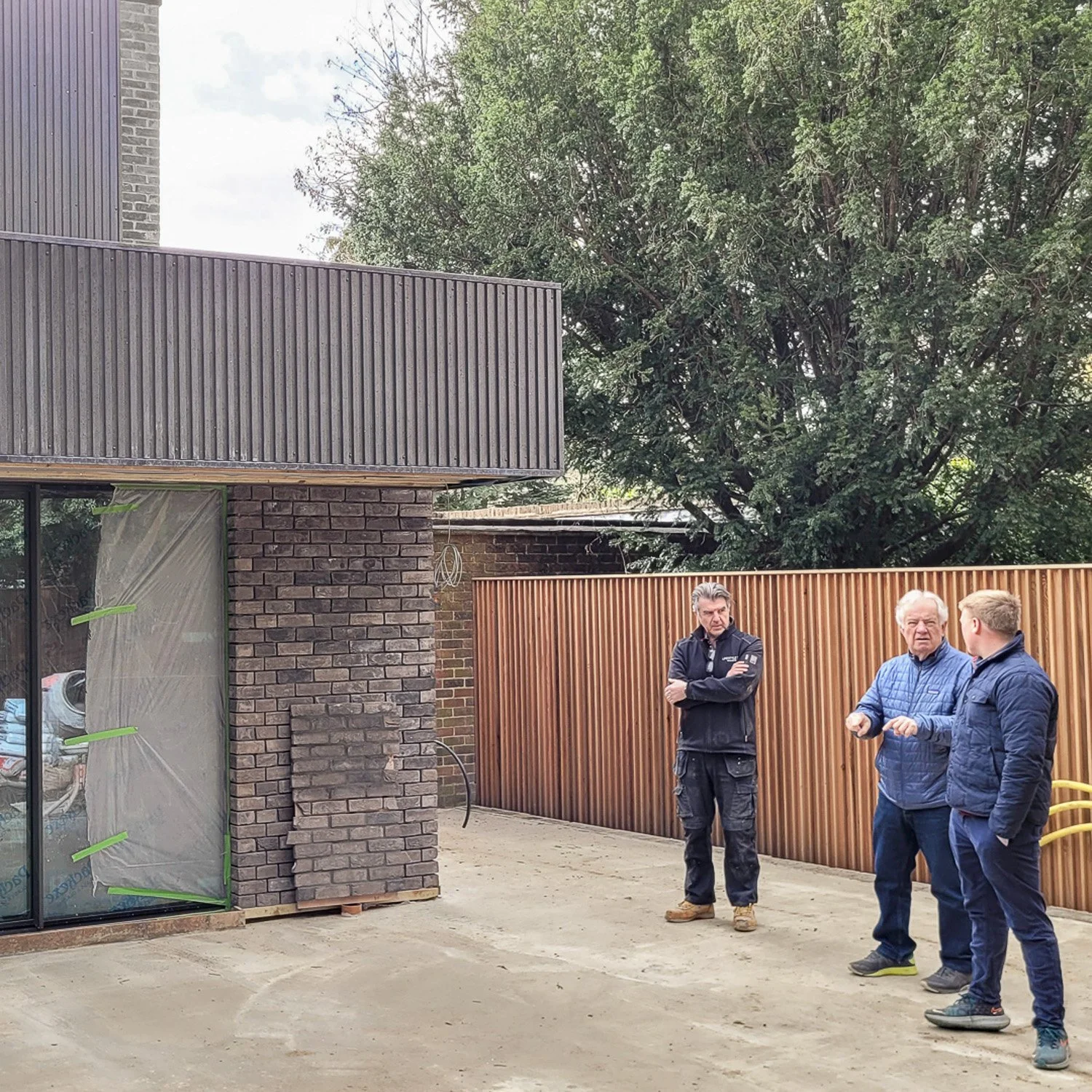
Each project requires understanding the context and relationship between the building and the site. Our design process involves thorough investigation and open dialogue with the client to inform the budget, design and outcome. We consider all aspects of a building, from architecture and interior design to landscaping. This cohesive approach helps create unified ideas that result in better buildings and experiences.
Exploration
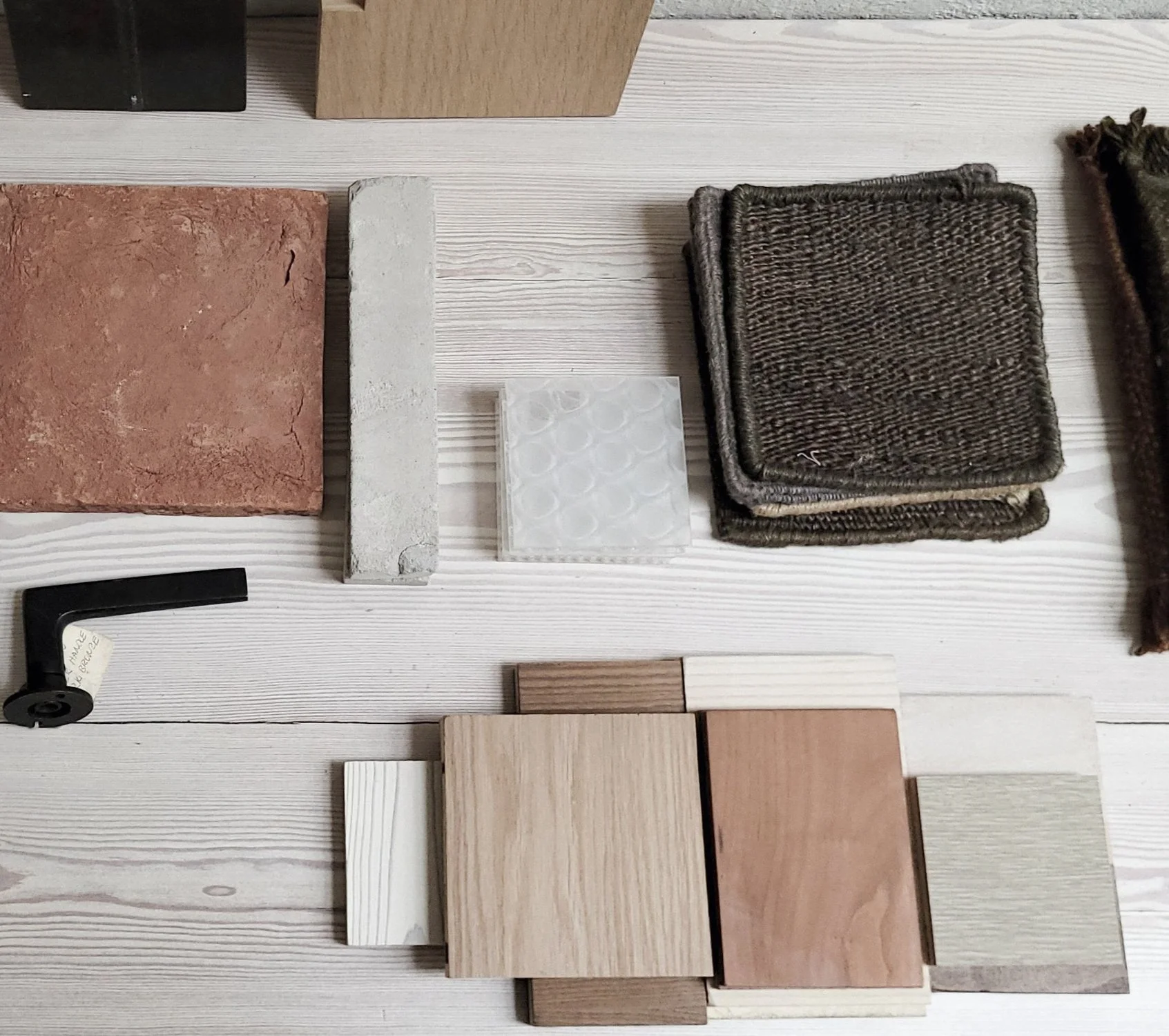
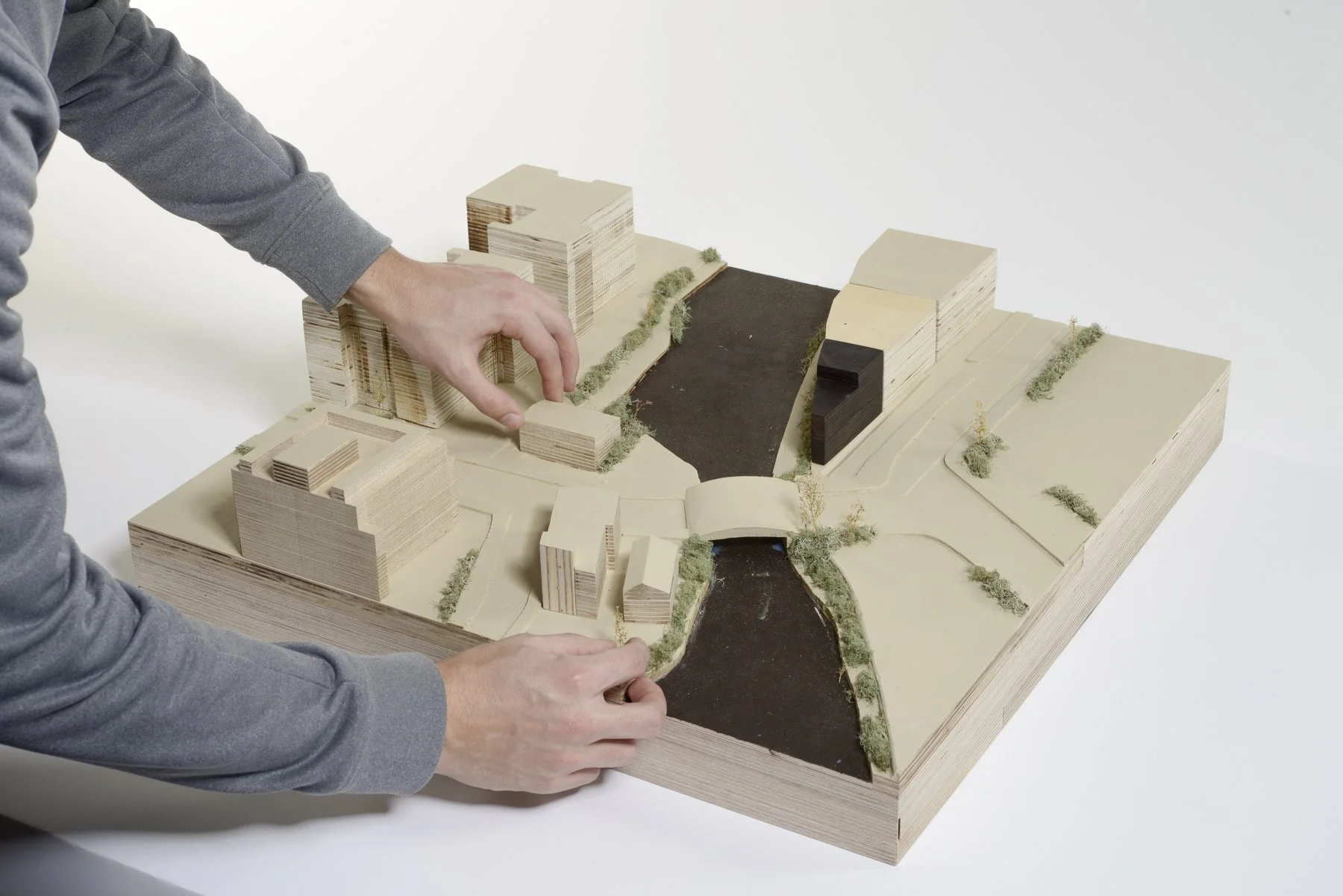
We explore ideas through sketches, drawings, materials, and models. We work collaboratively with a diverse team to find inspiring, inventive, and affordable ways of creating architecture rooted in place. We focus on designing buildings that will last long-term, emphasising quality and tactile character.
Sustainability
Architecture has a responsibility to be sustainable from the initial idea stages through the design process and into construction. We are interested in reusing, repurposing and using new materials that are responsibly manufactured and sensitive to our environment. We use our in-depth understanding of the construction process to make good design decisions that help create low-carbon buildings in construction and use. Creating sustainable buildings relies on good dialogue with the client, consultants, specialists, makers, and end users.